en

A collective approach to sustainable urban development
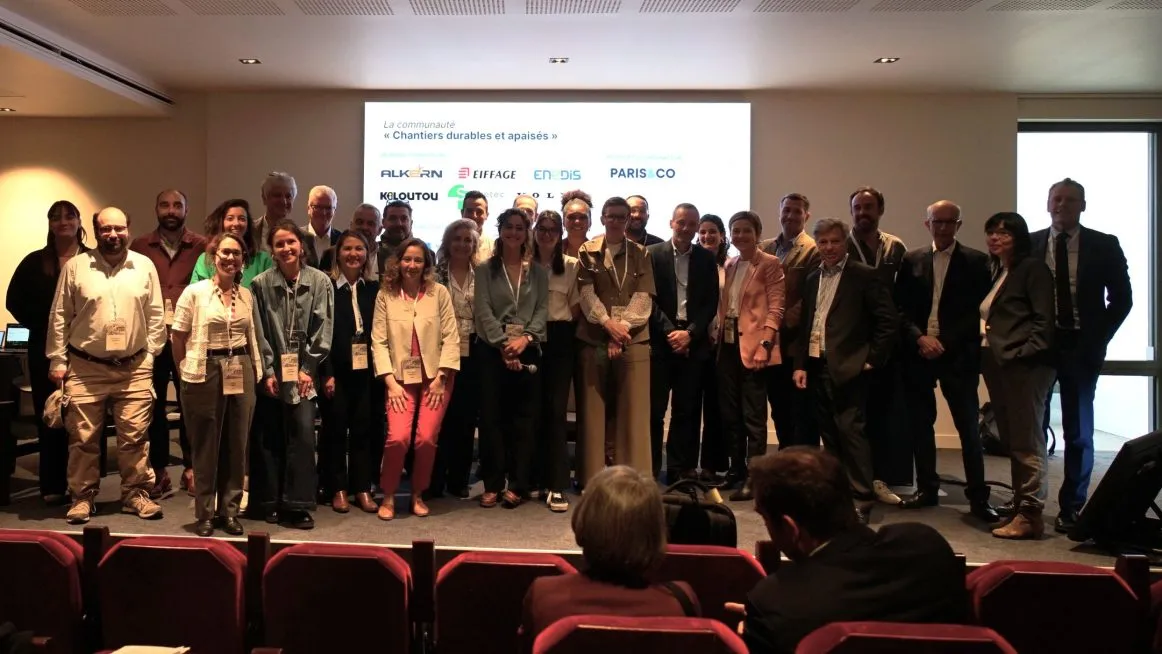
Against a backdrop where construction sites in dense urban areas must meet ever-stricter requirements in terms of the environment, logistics and public acceptance, setec tpi has taken part in the collective initiative “Sustainable and Calm Construction Sites”, led by Paris&Co alongside several other stakeholders in the sector.
The aim: to develop practical solutions for designing, organising and managing construction sites that are more resource-efficient, better integrated into their surroundings and more readily accepted by both users and local residents.
The key role of engineering in the early stages
For setec tpi, this involvement is fully in line with its engineering role: anticipating impacts, coordinating stakeholders and translating environmental and urban ambitions into operational practices.
Drawing on its experience with complex urban projects — such as the Porte de Montreuil, the Michelet district, cycle infrastructure and ‘school streets’ — setec tpi is helping to drive forward developments in design methods and site management.
Anticipating nuisances to manage them more effectively
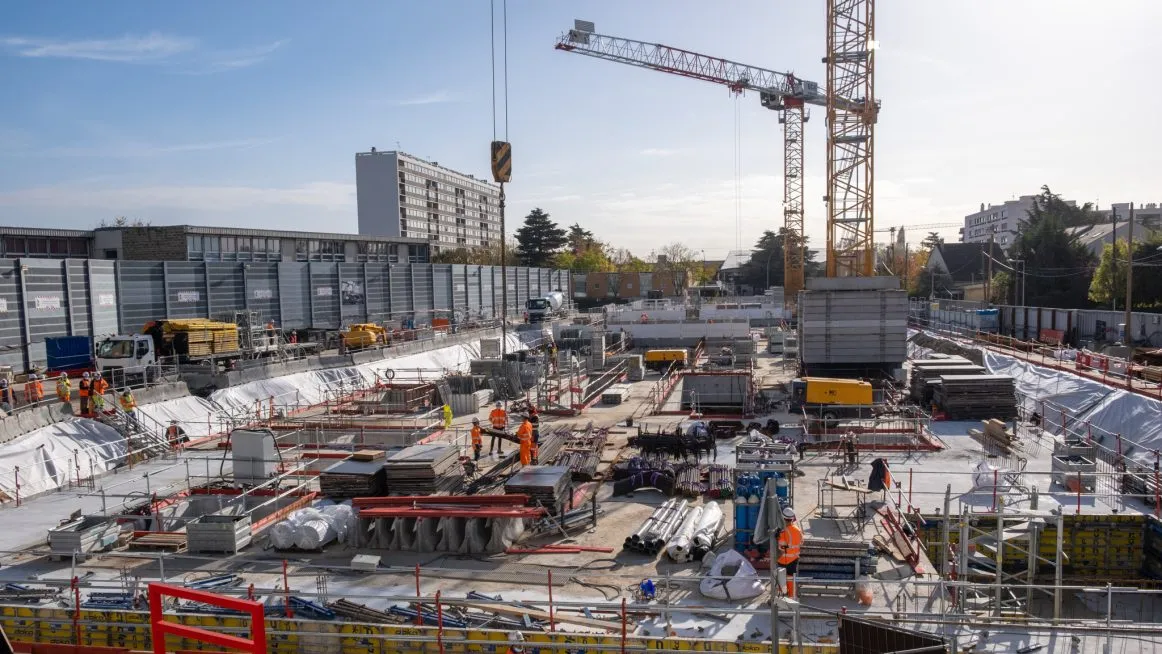
Engineering plays a vital role in minimising disruption right from the early stages. Noise, pollution, traffic, site footprints and phasing: these issues must be taken into account as early as possible in order to adapt the design, optimise site organisation and minimise disruption over the long term.
Working in partnership with clients and local authorities, setec
tpi draws in particular on green, clean or low-impact site charters to define the measures to be implemented on site.
This approach enables a shift from a site that is simply endured to one that is planned for, better managed and better understood.
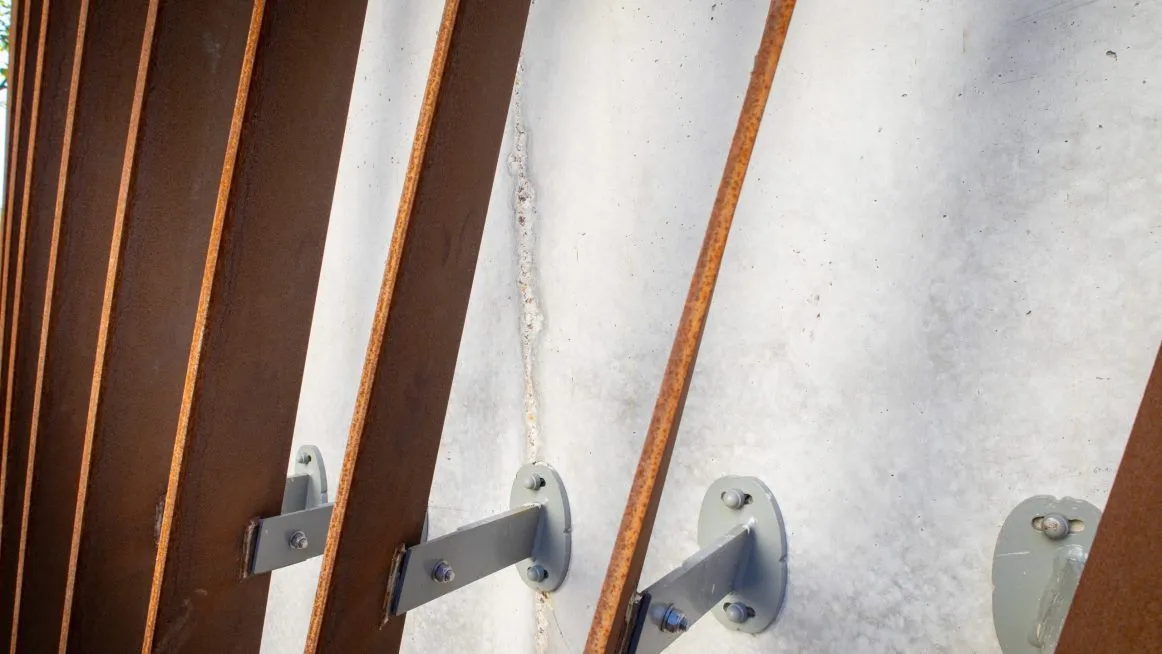
Materials, waste and the circular economy: key issues at the heart of our projects
Among the topics covered, materials management, waste management and the circular economy are particularly relevant to setec tpi’s areas of expertise.
These issues lie at the heart of our engineering projects and are a key driver for reducing the environmental impact of construction sites, notably through better planning of material flows, reuse and recycling.
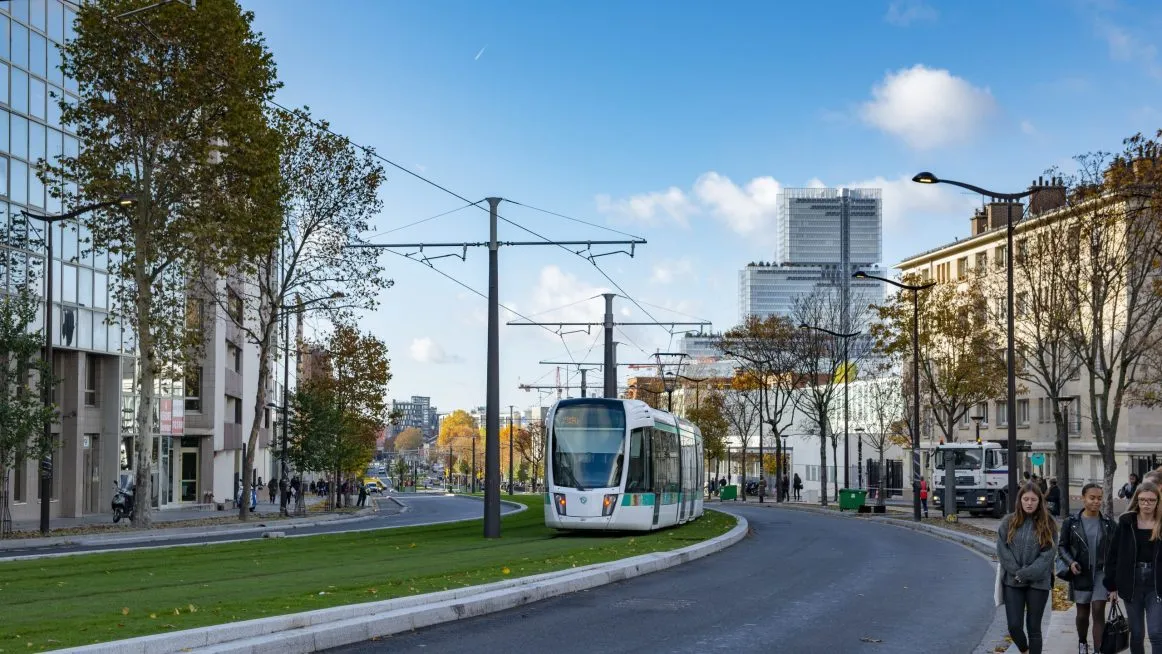
Towards construction sites designed as genuine urban projects
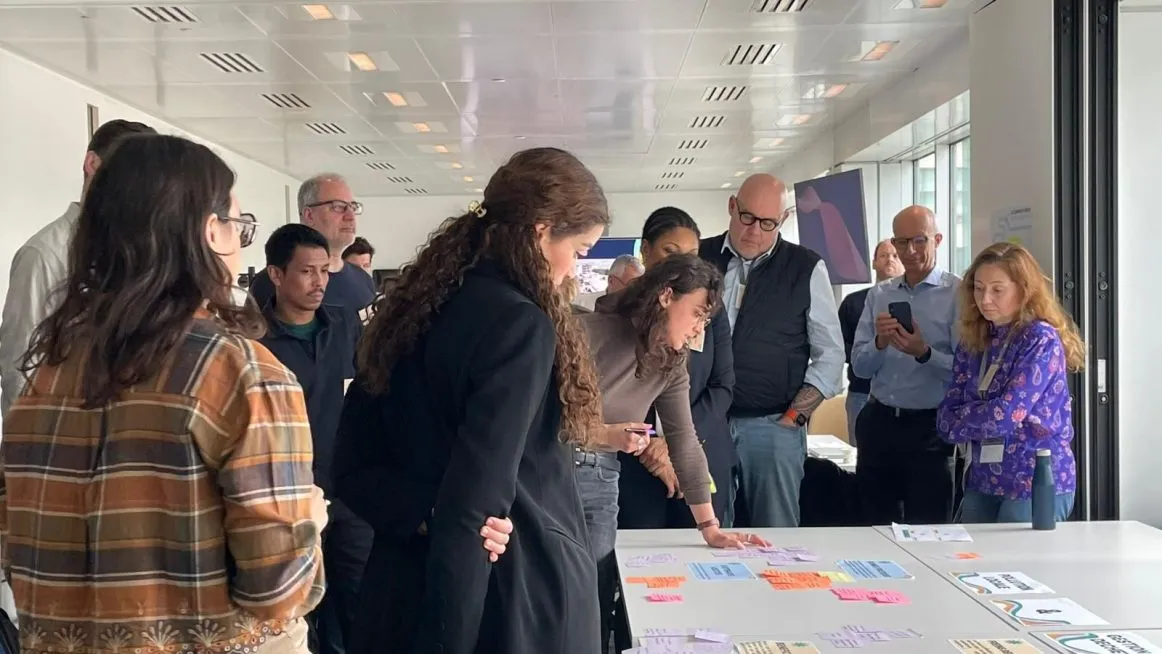
One of the key lessons from these workshops is clear: the success of a construction site depends first and foremost on the preparatory phase, through foresight, cooperation and coordination amongst all stakeholders.
For future projects, this means incorporating environmental, social and logistical considerations right from the design stage, whilst also transforming best practices — such as reuse, logistics, consultation and minimising disruption — into shared and replicable requirements.
Through this approach, Setec TPI reaffirms its commitment to more sustainable, calmer and more efficient construction sites, contributing to better-designed and more liveable cities.
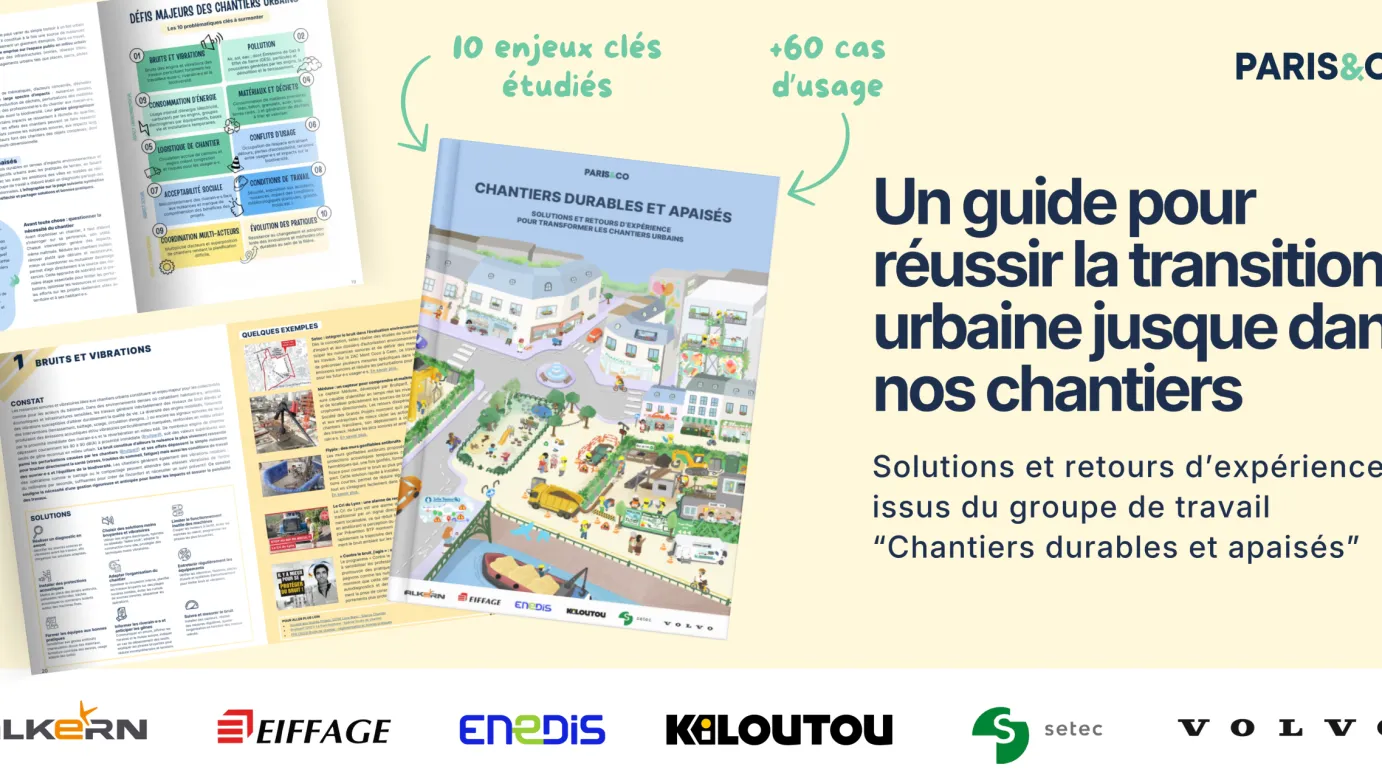
Following these workshops, a manifesto and a guide entitled ‘Sustainable and Harmonious Construction Sites’ were produced to share the lessons learnt from the initiative and to support stakeholders in the sector in implementing more sustainable, better-integrated and more widely accepted practices.